
Science news and discoveries from the Mass General Research Institute
Bench PressBench PressBench PressBench Press
  • Home
  • About
  • Research
    • COVID-19
    • Brain
    • Heart
    • Cancer
    • More…
  • Communicating Science
  • Events
  • Subscribe
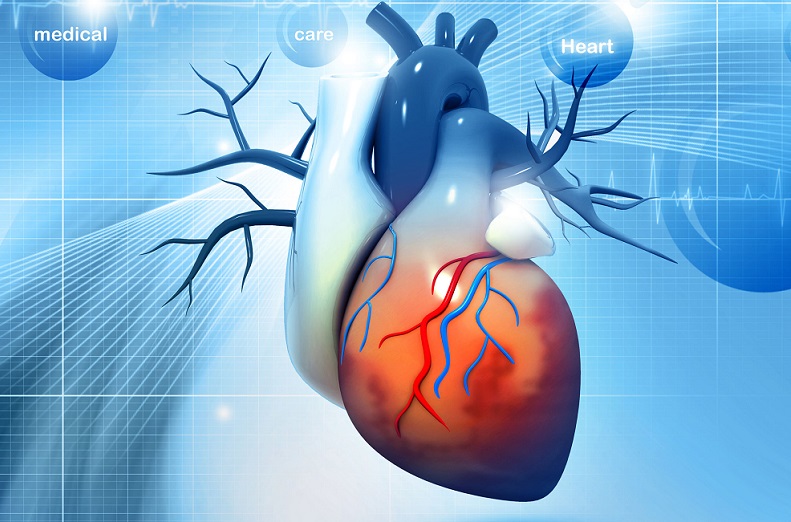
Ilustration of the heart

Could A Smartphone App for Heart Failure Improve Patient Care?

By mghresearch | Cardiology, Technology | 0 comment | 25 September, 2017 | 0

A heart failure diagnosis can be an unsettling experience. Add in a deluge of new medication regimens and lifestyle changes to implement, and the entire episode can begin to feel very overwhelming for a heart failure patient.

A new smartphone app for heart failure from Jana Care, called Heart Habits, was created in the hopes of streamlining cardiac care management. Now a team at Massachusetts General Hospital wants to test out the app with patients.
Screen shots of the Heart Habits app (photo courtesy of Jana Care)

“Heart failure patients are pretty complex,” Nasrien Ibrahim, MD, a cardiologist at Mass General and one of the lead investigators, said in a recent interview with MobiHealthNews. “We’re always looking for ways to improve patient care, reduce morbidity and mortality, to keep these patients out of the hospital or the emergency department, and just improve their overall quality of life.”

The Heart Habits app prompts patients to track their symptoms twice a week and provides alerts if any signs or symptoms, such as shortness of breath, suggest a problem that may require medical attention.

The app also provides information on and tracks other important factors including weight. Patients are prompted to record their weight on a daily basis. The data is then translated into graph form, which the patients’ care teams—who have access to the app—can easily view and interpret. The Heart Habits app also enables two-way communication with a messaging feature that allows patients to contact their physicians.

Ibrahim and her team want to investigate how patients respond to using the app and if its use improves patient symptoms. Their initial pilot will include 24 patients randomized to either the app or the standard of care—paper documents given to patients to take home—for six weeks.

“If the pilot study works, meaning the app is user-friendly, we see improvement in scores, that the patients like it, and that their symptoms have improved, a larger study would involve biomarker testing, outcome measures such as hospital readmissions and emergency department visits, and, essentially, cost as well,” Ibrahim said.


About the Mass General Research Institute
Massachusetts General Hospital is home to the largest hospital-based research program in the United States. Our researchers work side-by-side with physicians to develop innovative new ways to diagnose, treat and prevent disease.
Support our research

digital health, heart failure

Related Post

  • Heart Health Month 2019: Spotlighting Mass General’s Heart Researchers (Part 3)

    By gir0 | 0 comment

    Part 3 marks the last of our Heart Month researcher spotlight series, and we hope you’ve enjoyed learning about the work being in the name of heart health.

  • Heart Health Month 2019: Spotlighting Mass General’s Heart Researchers (Part 2)

    By gir0 | 1 comment

    Learn more about the latest research in cardiology from some of Mass General’s leading heart health specialists.

  • Heart Health Month 2019: Spotlighting Mass General’s Heart Researchers (Part 1)

    By gir0 | 1 comment

    Since every February is dedicated to heart health awareness, we reached out to some of our cardiology researchers to learn more about what they’re working on.

  • Research Finds Daily Exercise Can Make for Healthier, Younger Hearts

    By mghresearch | 0 comment

    Researchers have identified a cellular level link between exercise and healthy hearts that strengthens the case for physical activity.

  • Macrophages Found to be the Source of a Ripple Effect in the Development of a Life-Threatening Heart Condition

    By mghresearch | 0 comment

    The cells cause a series of responses in the heart that can compromise the organ’s ability to provide oxygenated blood to the body.

Leave a Comment

Cancel reply

Your email address will not be published. Required fields are marked *

Categories

Social

Tags

adolescents aging allergies ALS artificial intelligence brain health cancer treatments child health cholera clinical research clinical trials community health coronavirus dementia diagnostic tools diversity exercise Harvard health disparities heart attacks heart disease heart failure heart month hypertension image contest innovation internships kidney disease machine learning martinos center memory mental health microbiome Munn Center for Nursing Research nursing PET imaging postdocs public health Ragon Institute rare diseases researchers science writing sleep women's health women in medicine

Copyright 2020
Mass General Research Institute
All Rights Reserved

SUBSCRIBE TO BENCH PRESS


Contact

Mass General Research Institute
125 Nashua St.
Boston, MA 02114
617-724-0200
researchinstitute@mgh.harvard.edu
M-F: 9:00 am - 5:00 pm
  • Home
  • About
  • Research
    • Brain
    • Cancer
    • Heart
  • Communicating Science
  • Events
  • Home
  • About
  • Research
    • Brain
    • Cancer
    • Heart
    • More…
  • Communicating Science
  • Events
Bench Press