
Researchers from Massachusetts General Hospital, Duke University and the International Centre for Diarrheal Disease Research in Dhaka, Bangladesh, have used machine learning algorithms to find patterns within communities of bacteria living in the human gut.
These patterns could indicate who among the approximately one billion people at risk of cholera infection around the globe will get sick with the diarrheal disease.
The research, published last month in the Journal of Infectious Diseases, suggests that a focus on gut microbes may be important for developing improved vaccines and preventive approaches for cholera and other infectious diseases.
What is cholera?
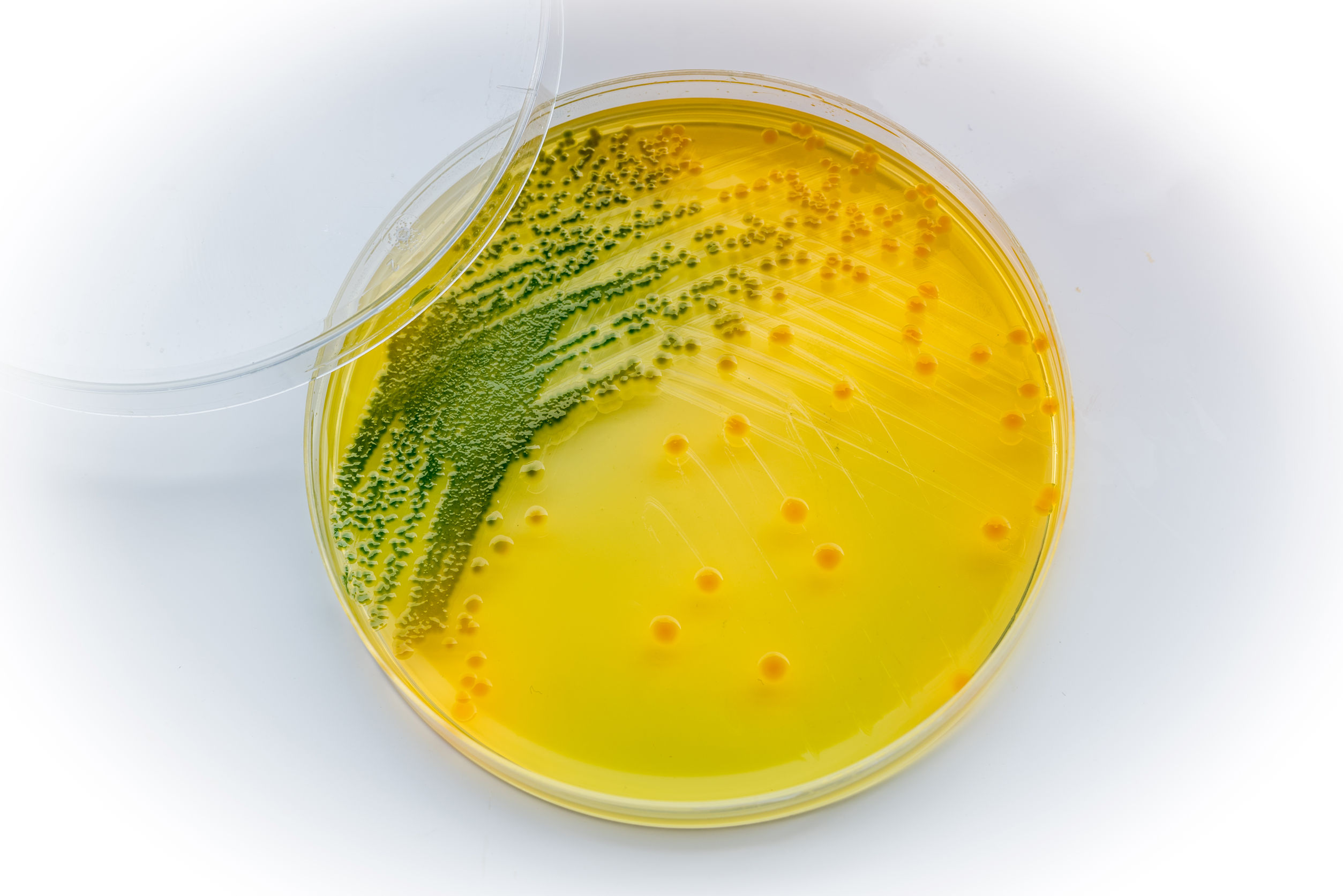
Cholera is an acute diarrheal disease caused by ingestion of food or water contaminated with a bacterium called Vibrio cholerae that can kill within hours if left untreated.
Although largely eliminated from industrialized countries over a century ago by improvements in water and sewage treatment, cholera remains a significant cause of illness and death in developing countries such as Bangladesh, Haiti and certain African countries.
Why is it so difficult to predict who will become sick from cholera?
Scientists still do not completely understand why some people who come into contact with the cholera bacterium become sick while others do not. Studies have pinpointed a number of risk factors – such as age, an antibody response, and genetic variants such as blood type – but these only partially explain the different outcomes.
What did the researchers study?
The research team wanted to see whether the trillions of bacteria that live in the human digestive system – collectively known as the gut microbiota – play a role in cholera risk.
They collected rectal swab samples from residents of Dhaka, Bangladesh who lived in the same household with a patient hospitalized with cholera and thus were at imminent risk of developing the disease. Of 76 household contacts studied, about a third went on to become infected with cholera during the follow-up period, while the other two-thirds remained uninfected.
What did they find?
The researchers profiled the microbiota from the swabs using sequencing technology and then loaded all the data into a computer for analysis. They trained the machine to assess 4,000 different bacterial taxonomies in each of the samples, looking for patterns that distinguished those who got sick from those who didn’t. Eventually, the machine hit on a set of approximately 100 microbes that were associated with increased susceptibility to cholera.
Why are these findings noteworthy?
“Our study found that this ‘predictive microbiota’ is as good at identifying who gets ill with cholera as the clinical risk factors that we’ve known about for decades,” said Regina C. LaRocque, MD, MPH, of the Mass General Division of Infectious Diseases, a senior author of the study and assistant professor of medicine at Harvard Medical School, in a recent press release. “We’ve essentially identified a whole new component of cholera risk that we did not know about before.”
“Machine learning provided the tools for finding important signals in our multidimensional ‘big’ data,” said Ana Weil, MD, of the Mass General Division of Infectious Diseases, a first author of the study and instructor in medicine at Harvard Medical School.
These findings could point the way towards new preventative measures in countries where cholera is most prevalent.
Click here to read more about the Mass General Division of Infectious Diseases’ work on cholera.
About the Mass General Research Institute
Massachusetts General Hospital is home to the largest hospital-based research program in the United States. Our researchers work side-by-side with physicians to develop innovative new ways to diagnose, treat and prevent disease.
Support our research


Leave a Comment