
According to the Centers for Disease Control (CDC), the cause of a food poisoning outbreak at a Chipotle Restaurant in Ohio this summer was due to a bacterial strain called Clostridium perfringens .
The outbreak affected as many as 700 people, and health officials had some difficulty in identifying the culprit after tests for more common causes of food poisoning such as salmonella, Escherichia coli, Shigella and norovirus all turned up negative.
So what is Clostridium perfringens, how does it make us sick, and what steps can we take to reduce the chances of another outbreak?
We asked Mass General researcher Christina Faherty, PhD, an expert in harmful bacteria, to tell us more.
“Clostridium perfringens is a common foodborne illness that causes nearly 1 million infections each year. The bacterium has many environmental sources, but is typically found on raw meat and poultry.
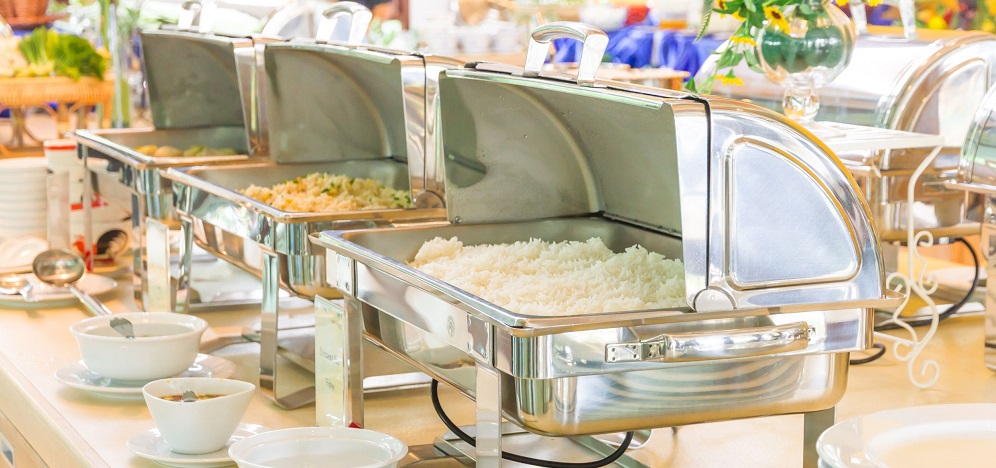
Outbreaks usually occur when foods are prepared in large quantities and kept warm prior serving.
C. perfringens can survive high temperatures and can grow very rapidly between 109°F–117°F, often when food is being cooled and held warm for long periods of time. People often become ill when the food is not properly reheated to kill the bacteria.
C. perfringens produces a toxin in the intestines, leading to abdominal cramps and diarrhea within 6 to 24 hours (typically 8 to 12 hours). Fever or vomiting normally do not occur. The illness begins suddenly, lasts for less than 24 hours, and is not passed from person to person.
Everyone is susceptible to food poisoning from C. perfringens, especially the very young, immunocompromised, and elderly who can experience longer infections for 1 to 2 weeks.
Complications such as dehydration may also occur in severe cases. Antibiotics are not recommended, and oral rehydration can be used to prevent or treat dehydration. In severe cases, intravenous fluids and electrolyte replacement are required.
To prevent foodborne illness, cook food to a safe internal temperatures and keep warm at or above 140°F to prevent bacterial growth. Serve dishes hot and refrigerate leftovers at or below 40°F as soon as possible within 2 hours of cooking.
Large amounts of food should be divided into smaller quantities upon refrigeration and leftovers should be reheated to at least 165°F. Contaminated food may look, smell, and taste normal; so if uncertain, it is best to discard food.”
Source: https://www.cdc.gov/foodsafety/diseases/clostridium-perfringens.html
Learn More
About the Mass General Research Institute
Massachusetts General Hospital is home to the largest hospital-based research program in the United States. Our researchers work side-by-side with physicians to develop innovative new ways to diagnose, treat and prevent disease.
Support our research


Leave a Comment