
For Mass General’s Alister Martin, MD, MPP, working as a Black emergency room doctor during the COVID-19 pandemic has felt like “walking on a tightrope during a hurricane.”
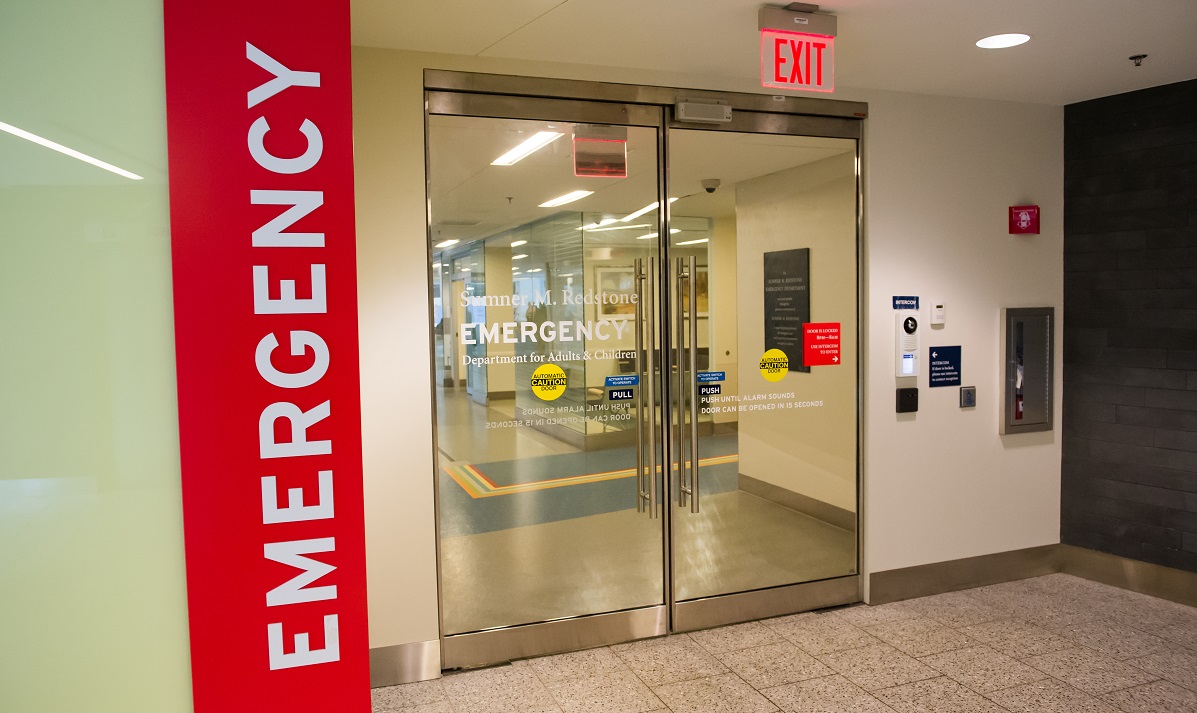
Martin, a faculty member at the Mass General Center for Social Justice and Health Equity, described how he as seen these disparities play out as part of the Broad Institute’s Global Health Coffee Break seminar series.
“We are at once witness to the carnage of this global pandemic that we are ill-prepared for, and at the same time we see the expression of underlying injustices and preexisting legacies of racism at so many levels.”
Martin gave examples of how these inequities played out in terms of testing, containment and the allocation of resources.
Racial Disparities at the Individual Level
At the beginning of the pandemic, the strict protocols at hospitals across the country on who could be tested for COVID-19—at first tests were only for individuals who had recently returned from China, South Korea or Italy—meant turning away dozens of Black and Hispanic patients who almost certainly had the disease but didn’t meet the criteria for testing, he said.
He also recalled an experience with a Black mother in her twenties who tested positive for COVID-19 during a visit to the emergency department. Martin advised her to do her best to self-isolate for the next 14 days to prevent spreading the virus to others. The woman told him she lived in a one-bedroom apartment with her elderly mother and her two children, so self-isolation was virtually impossible.
“What that means it’s not just her who gets COVID, it is also her mother, who would likely come back weeks later. Because she was elderly, [her mother] also ends up being the type of person who likely requires a ventilator or another aggressive therapy,” Martin said.
Racial Disparities at the Systemic Level
Inequities were also on display at the systemic level, he said. At the peak of COVID cases in Boston in early April, there was a meeting at Mass General to discuss the proposed statewide guidelines for crisis standards of care—essentially how to prioritize life-saving equipment such as ventilators if the demand exceeded the supply.
That week had been a particularly bad at Mass General and at hospitals across the country, Martin said, a time when the disproportionate impact of COVID-19 was becoming abundantly clear. At Mass General, nearly 50% of all patients admitted to the hospital at that time were Hispanic or African American, when it is typically less than 20%, he said.
The guidelines presented by the state for prioritizing lifesaving care called for assigning points to COVID-19 patients who have a history of chronic diseases such as diabetes, heart disease and lung disease. The more points a patient had, the less likely that patient would be to get a ventilator if supplies ran out.
“I made the point that this is incredibly unfair and unjust. These diseases are all found at disproportionately higher rates in the African American and Hispanic communities. This is a disease that is already disproportionately impacting patients of color and now we are going reduce the likelihood that these patients will get a ventilator.”
Mobilizing to Make a Difference
To address this issue, Martin and other clinicians partnered with a bioethicist from Harvard, who helped create an alternative strategy that did not disproportionately affect people of color.
A letter was created and circulated around Boston that received over 1,000 signatures advocating for a more equitable approach. Organizers also worked to gain support from the Black and Latino caucus and other prominent politicians.
By April 20—16 days after the initial presentation—the state had reversed course and revised the policy.
While that is a story of what is possible when people organize, it is also a story of what is possible because of power, Martin said. “The most important expression of power and how we identify and walk through that doorway of opportunity is our vote.”
As the executive director of VotER, Martin is working with a rapidly growing team of physicians, social workers, and medical students across the country to make it easier for patients to register to vote while they wait in healthcare settings.
This effort will be featured in August during national Civic Health Month, a nonpartisan collaboration between over 50 healthcare organizations, voter registration organizations, and providers aimed at making the connection between civic engagement and healthcare
There are 50 million Americans who are currently unregistered to vote, and health care and health policy are among the issues that impact them the most, he said. “This work is just one manifestation of how we give people their power back.”
About the Mass General Research Institute
Massachusetts General Hospital is home to the largest hospital-based research program in the United States. Our researchers work side-by-side with physicians to develop innovative new ways to diagnose, treat and prevent disease.
Support our research


Leave a Comment