
Science news and discoveries from the Mass General Research Institute
Bench PressBench PressBench PressBench Press
  • Home
  • About
  • Research
    • COVID-19
    • Brain
    • Heart
    • Cancer
    • More…
  • Communicating Science
  • Events
  • Subscribe

Everything You Need to Know About COVID-19 Tests

By gir0 | COVID-19 | 0 comment | 13 August, 2020 | 0

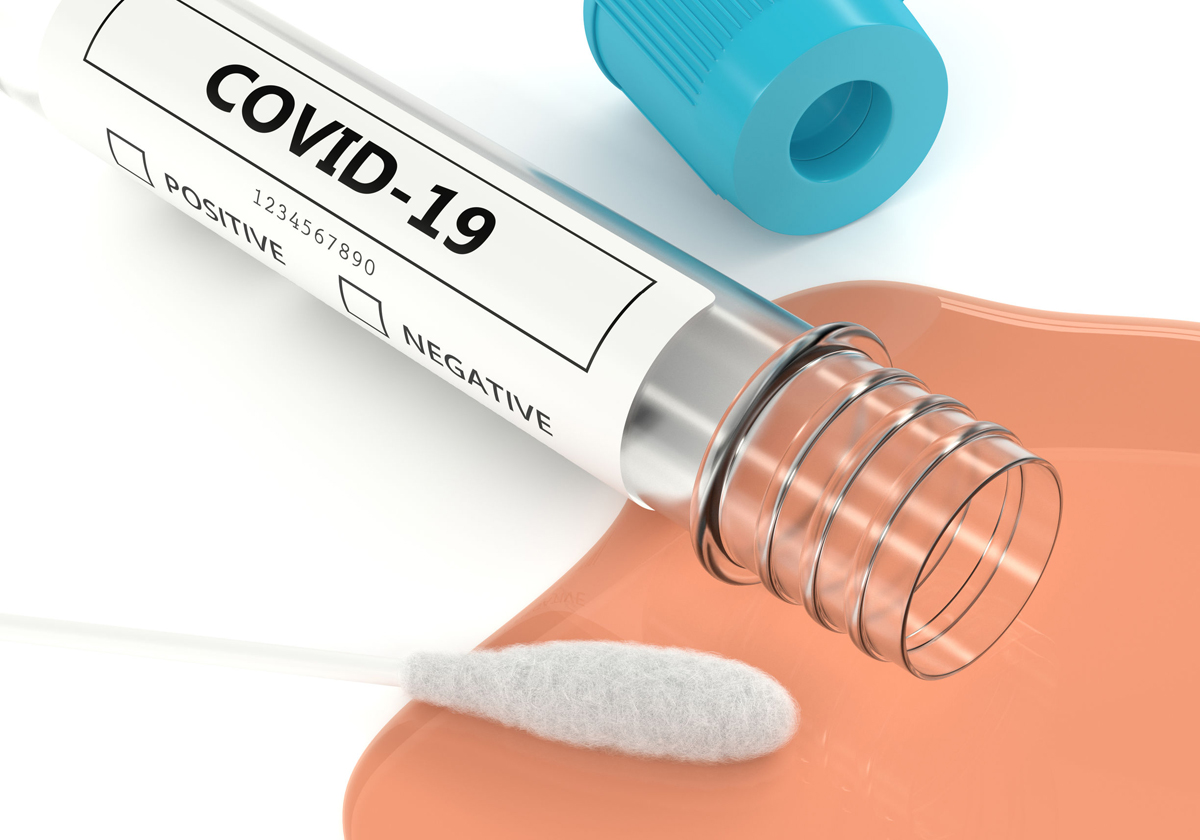
Widespread testing and tracing are crucial to managing the spread of COVID-19, but there are several different kinds of tests that each have a specific use.

We spoke to David Louis, MD, chief of Pathology at Massachusetts General Hospital, Anthony John Iafrate, MD, director of the Center for Integrated Diagnostics, and Eric Rosenberg, MD, director of the Clinical Microbiology Laboratory, to get the scoop on each type of test and why they are important for patients and clinicians.

If you’ve been thinking about getting tested for COVID-19, check out facts below to learn about which one may be right for you.

PCR (Polymerase Chain Reaction) Test

Tests for an active SARS-CoV-2 infection. SARS-CoV-2 is the virus that causes COVID-19.

Method of analysis:

The test uses an amplification process to detect the presence of viral RNA in the airway of the nose and throat (collected via nasal swab).

When it is used:

When a patient is being evaluated for an active SARS-CoV-2 infection. The test is most accurate when administered within the first week after symptoms begin.

Why it is important:

It provides confirmation of a SARS-CoV-2 infection, which allows clinically useful guidance for the patient and health officials

Limitations:

The PCR test provides evidence of active viral infection in the respiratory tract. Occasionally, this test may need to be performed twice to definitively rule out SARS-CoV-2 infection. It may come back negative for individuals who are later in their disease course and does not provide evidence of more distant past exposure.

Serology Tests

Unlike PCR tests, which only diagnose active infection, serology tests provide evidence of viral exposure after the initial infection. However, it is not known how long a serologic test will remain positive after initial infection. Serology testing can provide an estimate of how many people have been exposed to COVID-19.

ELISA (Enzyme-Linked Immunosorbent Assay) Test

Method of analysis:

Examines blood for SARS-CoV-2-specific antibodies.

When it is used:

To see if an individual has developed antibodies in response to exposure to the SARS-CoV-2 virus.

Why it is important:

The ELISA test not only indicates the presence of antibodies, but can provide details on the levels of each different type of antibody – this creates a more complete picture of the body’s overall immune response.

Limitations:

Because it takes the body time to develop antibodies to a virus, a serology test may come back negative during the early days of infection even if the virus is present.

POC (Point of Care) Test

Method of analysis:

Examines blood for SARS-CoV-2-specific antibodies.

When it is used:

To see if an individual has developed antibodies in response to exposure to the SARS-CoV-2 virus. The POC test only indicates the presence or absence of antibodies, not the relative levels of each.

Why it is important:

POC tests are portable, can be performed in a variety of settings (workplace, urgent care clinics, etc.) and provide rapid results.

Limitations:

Because it takes the body time to develop antibodies to a virus, a serology test may come back negative during the early days of infection even if the virus is present. Since a POC test can only confirm the presence (or absence) of antibodies, it may not provide a full picture of the body’s immune response.

DOWNLOAD THE PDF

COVID-19 Research at Mass General
Researchers and clinicians at Massachusetts General Hospital Research Institute are mobilizing to develop new strategies to diagnose, treat and prevent COVID-19. Learn more.

diagnostic tools

Related Post

  • How Serology Testing Will Improve our Understanding of COVID-19

    By gir0 | 0 comment

    At a recent virtual town hall, David Louis, MD, chief of Pathology at Mass General, spoke about two types of serology tests our researchers are working on, what they show and why they are valuable.

  • Ragon Institute Researchers Discuss Progress on Serology Testing and Safe Return to Work

    By gir0 | 0 comment

    At a recent virtual town hall led by Bruce Walker, MD, researchers discussed what they have learned so far about COVID-19 antibodies and their vision for how to return to work.

  • Snapshot of Science: Genetic Insights into Our Food Choices, New Diagnostic Device for Lymphoma and More

    By MGH Research Institute | 0 comment

    What’s new in research at Mass General? Here’s a snapshot of studies recently published in top-tier scientific journals: Effect of folic acid on child brain development Have you ever noticed that everything from cereal toRead more

  • Sepsis point of care test

    Research Team Develops Diagnostic Tool for Sepsis

    By mghresearch | 0 comment

    A critical unmet need in combating sepsis is the lack of accurate early biomarkers that can alert clinicians to this potential life-threatening situation and allow them to take preventative action.

  • Celebrating Women in Science and Medicine: Interview with Daphne Holt

    By mghresearch | 0 comment

    During the month of March, Massachusetts General Hospital is celebrating Women’s History Month by highlighting our outstanding women scientists, physicians and staff members. In the coming weeks we’ll be sharing a few of their profiles,Read more

Leave a Comment

Cancel reply

Your email address will not be published. Required fields are marked *

Categories

Social

Tags

adolescents aging allergies ALS artificial intelligence brain health cancer treatments child health cholera clinical research clinical trials community health coronavirus dementia diagnostic tools diversity exercise Harvard health disparities heart attacks heart disease heart failure heart month hypertension image contest innovation internships kidney disease machine learning martinos center memory mental health microbiome Munn Center for Nursing Research nursing PET imaging postdocs public health Ragon Institute rare diseases researchers science writing sleep women's health women in medicine

Copyright 2020
Mass General Research Institute
All Rights Reserved

SUBSCRIBE TO BENCH PRESS


Contact

Mass General Research Institute
125 Nashua St.
Boston, MA 02114
617-724-0200
researchinstitute@mgh.harvard.edu
M-F: 9:00 am - 5:00 pm
  • Home
  • About
  • Research
    • Brain
    • Cancer
    • Heart
  • Communicating Science
  • Events
  • Home
  • About
  • Research
    • Brain
    • Cancer
    • Heart
    • More…
  • Communicating Science
  • Events
Bench Press