
When it comes to treating the symptoms of patients with a congenital heart defect, researchers from Massachusetts General Hospital are finding that a one-size-fits-all approach won’t meet all patients’ needs. The results of their recent survey provide insight into how clinicians can best tailor care for these patients.
What is CHD?
A congenital heart defect (CHD) is a problem with the structure of the heart that is present at birth. The defects can involve the walls and valves of the heart, and the arteries and veins near the heart. They can disrupt the normal flow of blood through the heart — blood flow can slow down, go in the wrong direction or to the wrong place or be blocked completely.
Complications associated with CHD include abnormal heart rhythms (arrhythmias), heart infection, stroke, and heart failure. CHD is the most common type of birth defect, with approximately 40,000 children born with this condition every year in the United States.
With new treatments and increased survivorship, the number of adults with congenital heart disease (ACHD) has grown significantly over the last 20 years. It’s estimated that more than 1.2 million adults in the U.S. are living with ACHD. However, despite this rise in population, there is still little data available about which symptoms most impact patients’ lives and thus are the most important to manage.
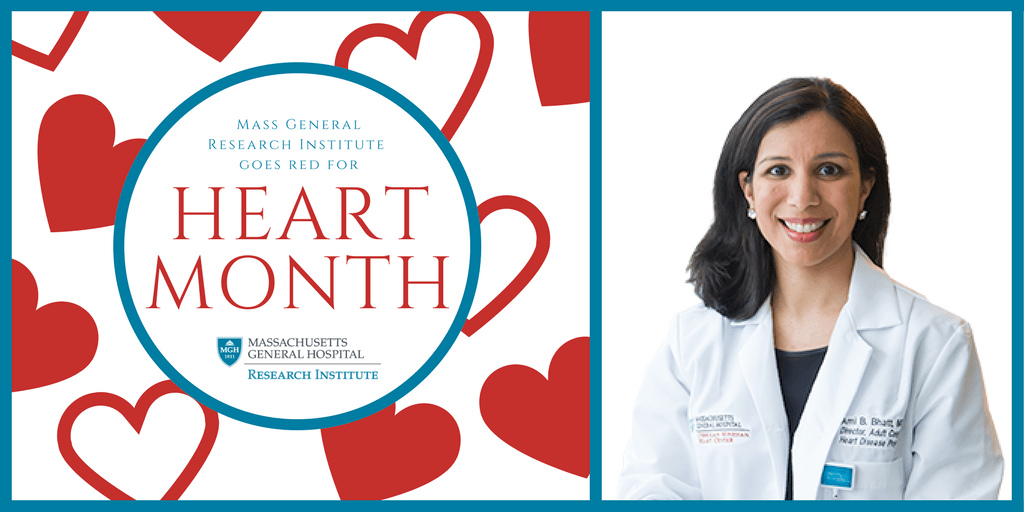
To identify symptoms and help ACHD specialists improve care for their patients, researchers including Ami B. Bhatt, MD, director of the Mass General Adult Congenital Heart Disease Program, and Mass General cardiovascular research fellow Ada Stefanescu Schmidt, MD, MSc, surveyed health care providers and patients to identify the most significant symptoms of ACHD. Their results were published in Circulation: Cardiovascular Quality and Outcomes.
Surveying physicians and patients
First, to create a pool of potentially important symptoms to target for treatment, the researchers surveyed six ACHD physicians, who provided a list of 39 symptoms commonly reported by their patients.
Next, the researchers surveyed 124 ACHD patients and asked them to rank the importance and frequency of these 39 symptoms using 5-point Likert scales. The group was also asked to expand the list by contributing additional symptoms.
Lastly, to confirm the results reported by this initial group, 40 additional ACHD patients from Mass General were given the same survey.
The symptoms
Researchers divided responses into seven groups depending on the severity of the patient’s disease. Six symptoms were identified as being the most troublesome, regardless of disease severity:
- Shortness of breath (windedness, trouble breathing)
- Feeling different than other people
- Having to go to the hospital or emergency room
- Feeling mentally slower than other people
- Concerns with sexual function
- Bluish or dusky colored skin
The Mass General confirmatory group revealed similar results to the larger group with only five of the 39 symptoms differing from the initial group. Of note, the Mass General group rated the symptom “Concern about my children having health problems like mine” higher than the initial group.
The Mass General ACHD Program has already incorporated the findings into their ACHD Health and Wellness Program, run out of the MGH West Facility where physicians and nurses work with patients to address their lives in a holistic manner.
The research team plans to expand their investigation in the future with focus groups and cognitive testing.
This article is an adaptation of a post on Mass General’s Advances in Motion.
About the Mass General Research Institute
Massachusetts General Hospital is home to the largest hospital-based research program in the United States. Our researchers work side-by-side with physicians to develop innovative new ways to diagnose, treat and prevent disease.
Support our research


Leave a Comment