
Science news and discoveries from the Mass General Research Institute
Bench PressBench PressBench PressBench Press
  • Home
  • About
  • Research
    • COVID-19
    • Brain
    • Heart
    • Cancer
    • More…
  • Communicating Science
  • Events
  • Subscribe

Five Things To Know: How Where You Live Can Affect Your Heart Health

By mghresearch | Cardiology, Five Things to Know, Medicine, Population Health & Outcomes, Series | 0 comment | 2 July, 2019 | 0

Does living in a low-income or high-crime neighborhood have a measurable effect on your heart health? Here are five things to know about a recent Massachusetts General Hospital research study led by Ahmed Tawakol, MD, and Katrina Armstrong, MD, that explored connections between the two:
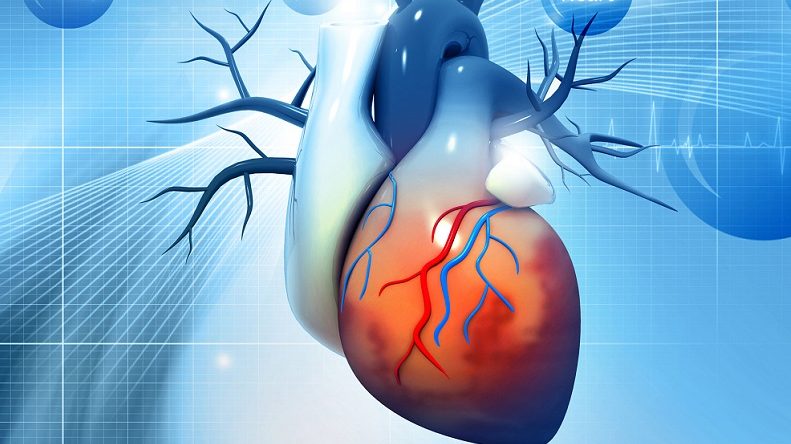
Individuals of lower socioeconomic status have an increased risk of increased risk of cardiovascular diseases such as heart attack, stroke and angina. While some of this risk can be linked to lifestyle factors, including greater rates of smoking and obesity and limited access to care, the risk persists even after adjusting for these factors—suggesting there may be additional biological factors in play.

In 2017, Tawakol was part of a Mass General research team that  identified a pathway in which stress-related activity in the brain leads to an increased risk of stroke by increasing immune cell production and inflammation of the arteries. The pathway was identified by analyzing PET scans that looked at inflammation levels in the brain and arteries. This in turn increases the risk for stroke, heart attack and other cardiovascular disorders.

The team’s latest study took a closer look at a subset of patients from the 2017 study for whom socioeconomic data was available. The team found that individuals from neighborhoods with lower household incomes or higher crime rates had higher rates of activity in the amygdala, increased immune cell production and more arterial inflammation, which significantly increased their risk of a heart attack, unstable angina, cardiac failure or death in the four years after the study.

Quote from Dr. Tawakol

It may be possible to reduce these risks through lifestyle-based interventions such as sufficient sleep, exercise and meditation, using statins to reduce inflammation in the arteries and developing new drugs that target the pathway between the amygdala and the arteries.

The researchers will continue studying this pathway with the hopes of identifying new drugs that could help reduce the risk of adverse cardiac events. They will also look at small number of study participants who live in low-income or high-crime communities but don’t show elevated levels of inflammation to see if these individuals hold clues to regulating this pathway in others.


About the Mass General Research Institute
Massachusetts General Hospital is home to the largest hospital-based research program in the United States. Our researchers work side-by-side with physicians to develop innovative new ways to diagnose, treat and prevent disease.
Support our research

public health

Related Post

  • Non-White Patients Hospitalized for COVID-19 More Likely to Show Severe Disease in Chest X-Rays

    By mghresearch | 0 comment

    Severity in chest x-rays increase the likelihood of admission to the intensive care unit, intubation and death.

  • Contact Tracing Relies on Individual Trust to Advance the Public Good

    By mghresearch | 4 comments

    A global health expert from Mass General details the contact tracing process and how it could help limit the spread of COVID-19.

  • How Serology Testing Will Improve our Understanding of COVID-19

    By gir0 | 0 comment

    At a recent virtual town hall, David Louis, MD, chief of Pathology at Mass General, spoke about two types of serology tests our researchers are working on, what they show and why they are valuable.

  • Ragon Institute Researchers Discuss Progress on Serology Testing and Safe Return to Work

    By gir0 | 0 comment

    At a recent virtual town hall led by Bruce Walker, MD, researchers discussed what they have learned so far about COVID-19 antibodies and their vision for how to return to work.

  • A Nurse’s Perspective: COVID-19 and Homeless Populations

    By gir0 | 0 comment

    Kirsten Dickins, PhD, AM, MSN, FNP-C, a nursing research fellow at Mass General’s Munn Center for Nursing Research shares her perspective on the impact of COVID-19 on homeless individuals.

Leave a Comment

Cancel reply

Your email address will not be published. Required fields are marked *

Categories

Social

Tags

adolescents aging allergies ALS artificial intelligence brain health cancer treatments child health cholera clinical research clinical trials community health coronavirus dementia diagnostic tools diversity exercise Harvard health disparities heart attacks heart disease heart failure heart month hypertension image contest innovation internships kidney disease machine learning martinos center memory mental health microbiome Munn Center for Nursing Research nursing PET imaging postdocs public health Ragon Institute rare diseases researchers science writing sleep women's health women in medicine

Copyright 2020
Mass General Research Institute
All Rights Reserved

SUBSCRIBE TO BENCH PRESS


Contact

Mass General Research Institute
125 Nashua St.
Boston, MA 02114
617-724-0200
researchinstitute@mgh.harvard.edu
M-F: 9:00 am - 5:00 pm
  • Home
  • About
  • Research
    • Brain
    • Cancer
    • Heart
  • Communicating Science
  • Events
  • Home
  • About
  • Research
    • Brain
    • Cancer
    • Heart
    • More…
  • Communicating Science
  • Events
Bench Press